From Tikinini to the National Stage: Young Artists Carry Letters of Hope to the National Arts Festival
In 2025, six young artists from Tikinini took a journey that moved them from community-based creative practice in the Eastern Cape to a live performance at the National Arts Festival.
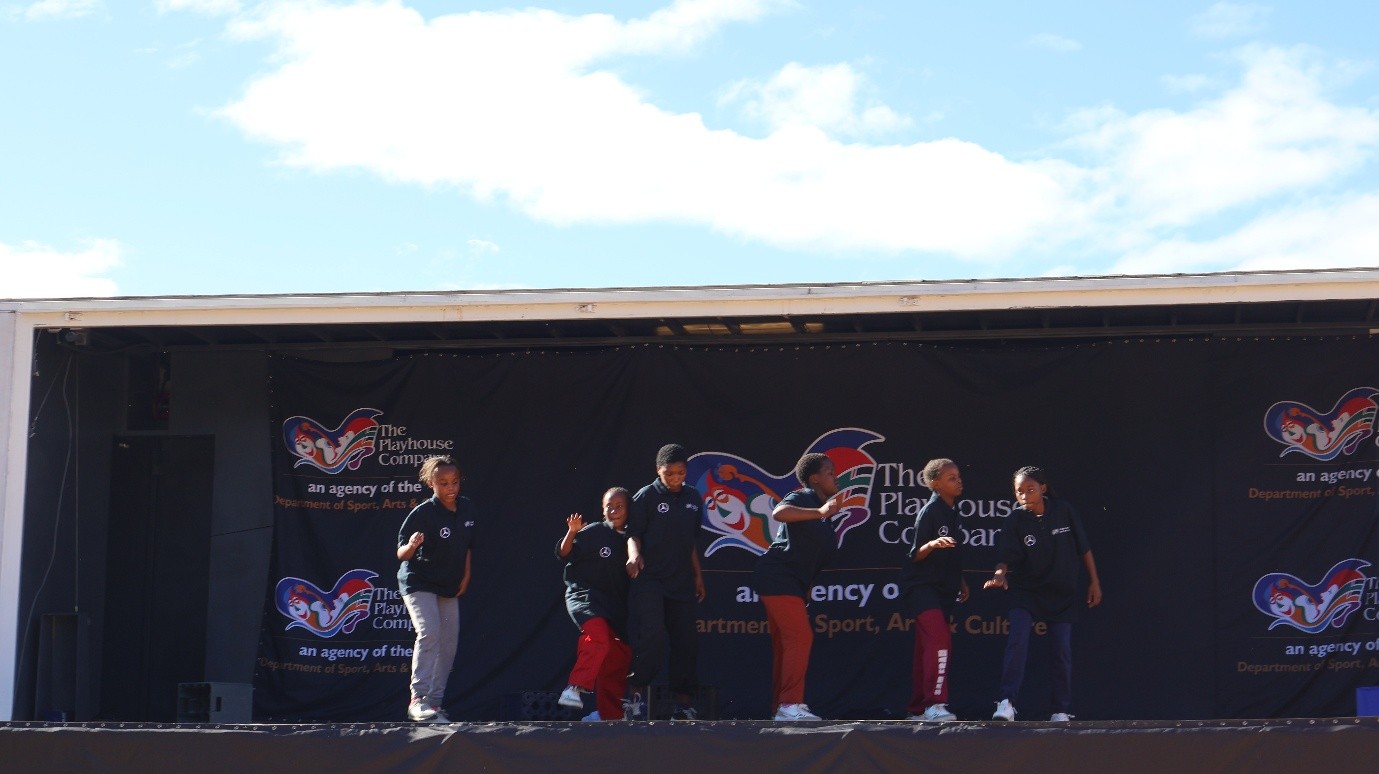
Their production, Letters to Gaza, was presented through dance and physical theatre at the Playhouse Mobile Stage in the Village Green.
The work used movement, rhythm and embodied storytelling to reflect on the experiences of children living through conflict and to draw connections between distant suffering and the challenges experienced within South African communities.
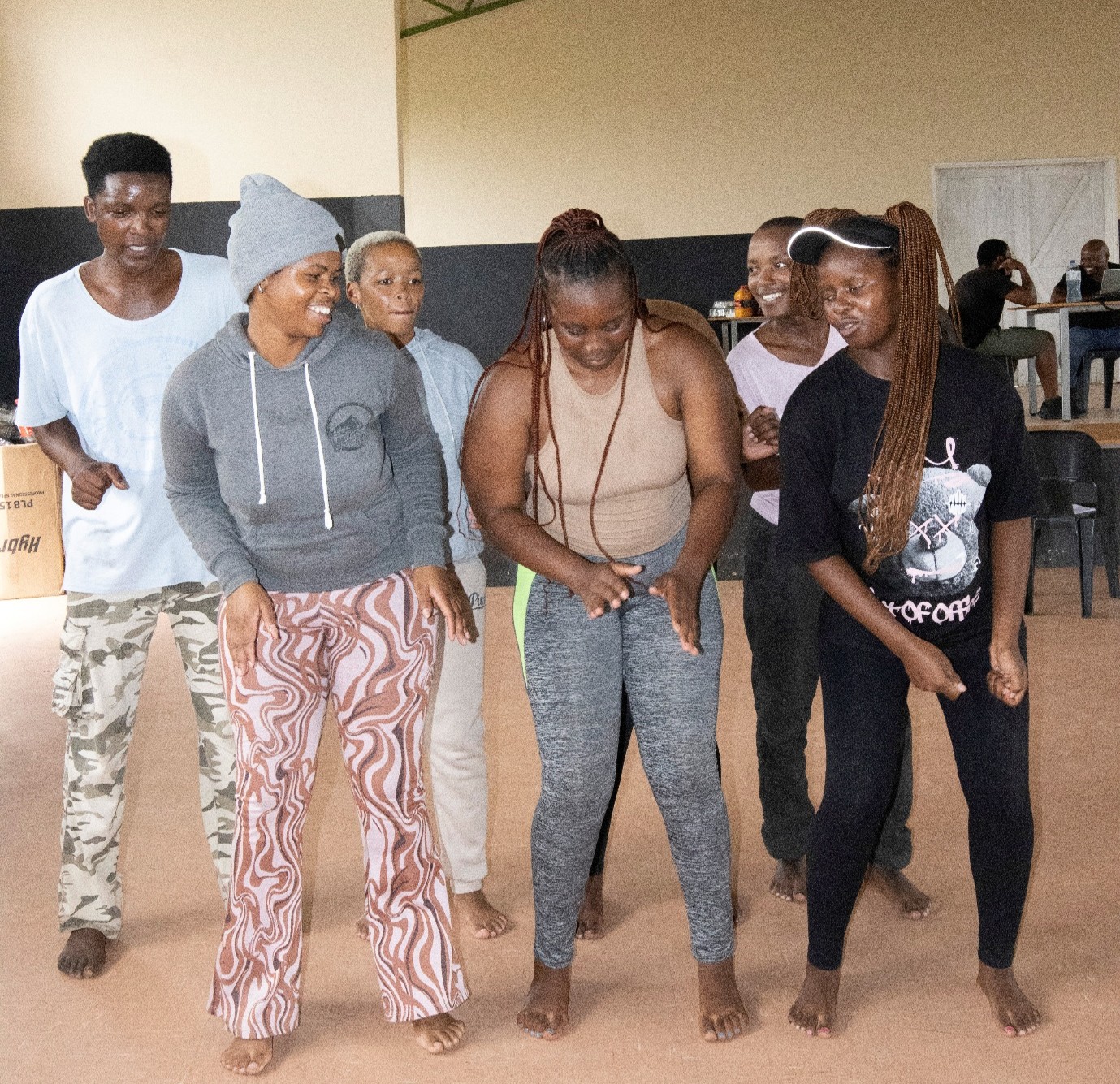
For the young performers, the journey was not only about appearing on a national stage. It demanded rehearsal, discipline, trust, collaboration and the courage to communicate difficult ideas without depending entirely on spoken language.
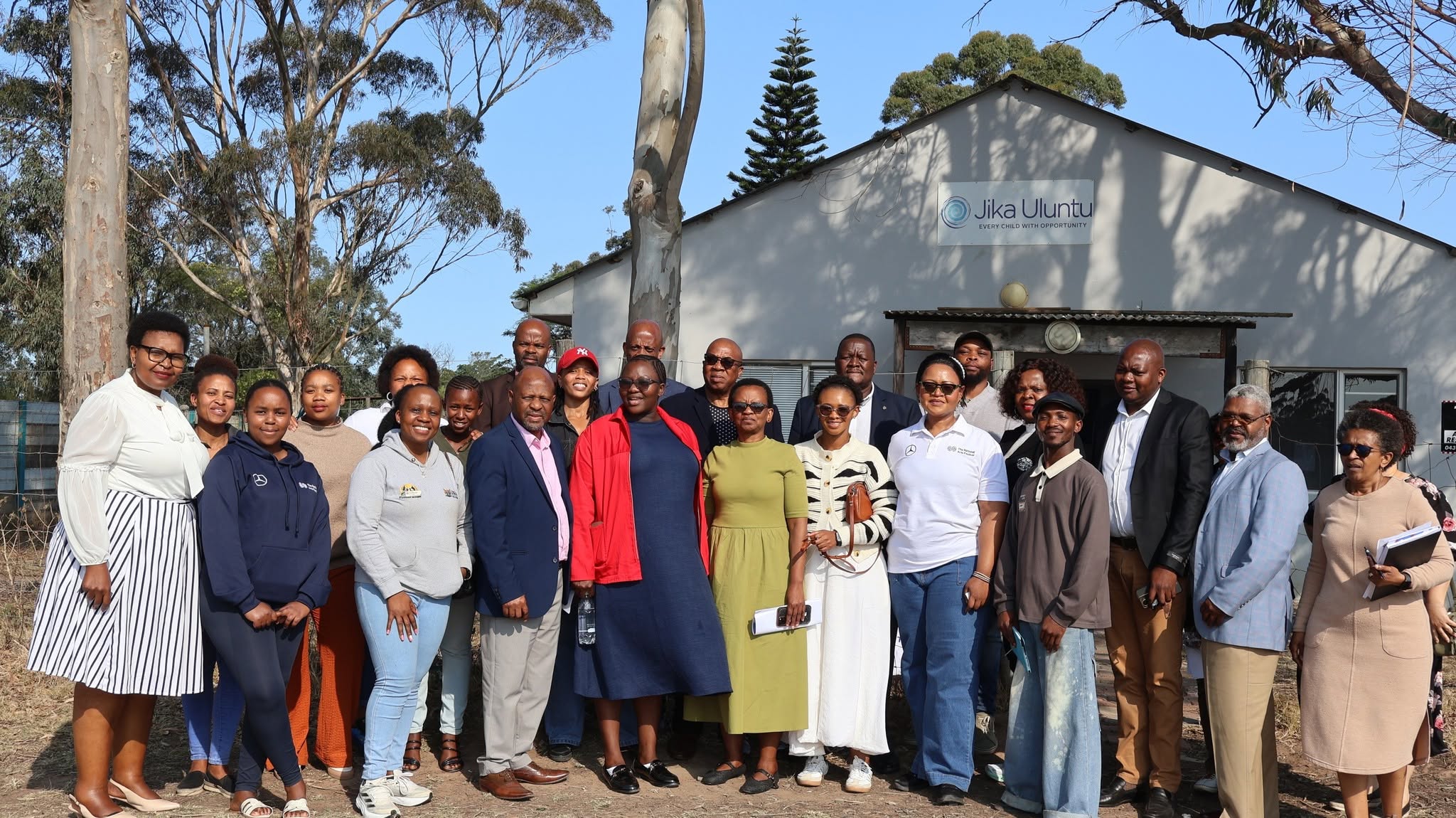
Jika Uluntu’s programme profile describes the experience as a movement “from Tikinini to the national stage”—turning community-based creative development into confidence, discipline and an unforgettable experience for the young participants.
When movement becomes a language
Letters to Gaza was rooted in physical expression, including the energy and social language of pantsula.
Movement allowed the performers to communicate grief, courage, solidarity and hope across differences in geography and spoken language. The young artists were not asked merely to reproduce choreography. They were invited to connect their own realities with a wider human story.
This is central to the Voices of Ubuntu approach. The arts allow young people to interpret what is happening around them, explore what troubles them and turn private or community experience into something that can be witnessed and discussed.
A young person may not always begin with the language of policy, trauma, social cohesion or human rights. They may begin with a movement, a rhythm, an image or a story.
The creative process gives that expression structure and makes it possible for others to listen.
More than exposure
Taking young people to the National Arts Festival gave them access to a national cultural platform, but the value extended beyond exposure.
The journey helped develop:
- confidence to perform before an unfamiliar audience;
- discipline and responsibility to a team;
- experience of professional rehearsal and production;
- the ability to connect local stories with wider social questions;
- and the belief that a young person from an informal settlement can contribute meaningfully to national cultural life.
The Voices of Ubuntu programme profile positions the National Arts Festival appearance as evidence of how sustained arts-based development can move young people toward voice, identity, purpose and responsibility.
Recognised in the Festival Press
The performance was featured in Cue, the National Arts Festival newspaper, under the headline:
Eastern Cape children craft ‘letters’ of hope to Gaza.
The article recognised both the talent of the performers and the wider significance of young people using dance to connect personal and community experience with questions of conflict, justice and shared humanity.
The coverage matters because it confirms that the performance did not remain an internal programme achievement. The young artists entered a wider cultural conversation and were seen as creators with something important to say.
What the journey represents
The story of Letters to Gaza reflects the wider purpose of Voices of Ubuntu.
Young people are not empty vessels waiting to be given a voice. They already carry observations, experiences, questions and creative ability.
The role of the programme is to create the conditions in which that voice can be developed, disciplined, shared and taken seriously.
From Tikinini to the National Arts Festival, the young artists demonstrated that community-rooted creativity can travel—and that stories emerging from overlooked places can speak to the world.