
03. Skills Development & Ubuntu Mentor Training
Building people who can carry safe, high-quality work forward

Jika Uluntu develops emerging practitioners, unemployed participants and employed professionals through structured learning, supervised practice and real programme-delivery experience.
Our flagship pathway, Ubuntu Mentor Training, prepares people to create safe group processes, facilitate reflective dialogue, use arts-based methods responsibly and strengthen safeguarding, resilience and leadership within their schools, organisations and communities.

Why Skills Development Matters
Communities need capable people not only short-term programmes
Who the training is for
Emerging and Unemployed Practitioners
People seeking practical skills, workplace experience and entry points into community-development, facilitation, youth work, programme support and creative-sector roles.
Employed Practitioners
Educators, ECD practitioners, NPO personnel, youth workers, community workers, frontline staff and other professionals seeking to strengthen facilitation, safeguarding, resilience and service quality.
Youth Leaders and Voices of Ubuntu Graduates
Young people ready to move from participation into responsible facilitation, peer leadership and supervised programme-delivery roles.
Institutions and Employers
Schools, NPOs, government departments, municipalities, care teams and workplaces that want to develop internal capacity or commission a dedicated training cohort.
The current programme profile identifies the Ubuntu Mentor audience as VOU graduates, youth leaders, educators, NPO/CBO practitioners, community workers, care teams and institutional champions
How people can train with us
01. Ubuntu Mentor Training
Train the roots to hold the tree
Ubuntu Mentor Training is the flagship practitioner pathway within Voices of Ubuntu.
Participants learn to create safe group agreements, understand power and participation, protect child and youth voice, facilitate reflection and use emotional-literacy, grounding, dialogue and arts-based methods responsibly.
Training also connects the methodology to implementation: programme preparation, documentation, safeguarding, referral, evaluation, debriefing and professional boundaries.
The pathway can be adapted as an intensive programme or a longer blended journey with supervised practice, depending on the participants, setting and commissioning partner.

02. Project-Linked Skills and Work Experience
Learning through real programme roles
Where Jika Uluntu is implementing funded programmes, EPWP opportunities or institutional commissions, participants may receive induction, role-specific preparation and supervised experience linked to actual delivery.
Skills may include:
- participant support;
- community mobilisation;
- facilitation assistance;
- performance and creative delivery;
- administration and logistics;
- safeguarding;
- programme documentation;
- communications; and
stakeholder engagement.
Depending on competence, interest and programme needs, participants may progress into programme-assistant, facilitator, Assistant Joker, Joker or Ubuntu Mentor roles.
Assistant Joker and Joker are specialist Forum Theatre functions rather than automatic steps toward becoming an Ubuntu Mentor. The Joker facilitates audience participation, reflective questioning and the rehearsal of different responses within the theatre process.

03. Bespoke Practitioner and Workforce Development
Training adapted to institutional needs
Jika Uluntu can design training for organisations that need stronger internal capacity in areas such as:
- participatory facilitation;
- child and youth safeguarding;
- reflective group practice;
- emotional literacy;
- arts-based engagement;
- Ubuntu-rooted leadership;
- frontline resilience;
- staff decompression;
- communication across difference;
- social cohesion; and
- community engagement.
The content, format and level of practice are adapted to the organisation’s participants

What is an Ubuntu Mentor?
An Ubuntu Mentor is a trained relational anchor within a school, organisation or community.
Ubuntu Mentors create structured spaces in which people can participate safely, reflect honestly, understand different perspectives and identify constructive ways forward.
They are prepared to:
The role is developed through learning, practice, reflection and demonstrated ethical responsibility not through attendance alone.
From training to opportunity
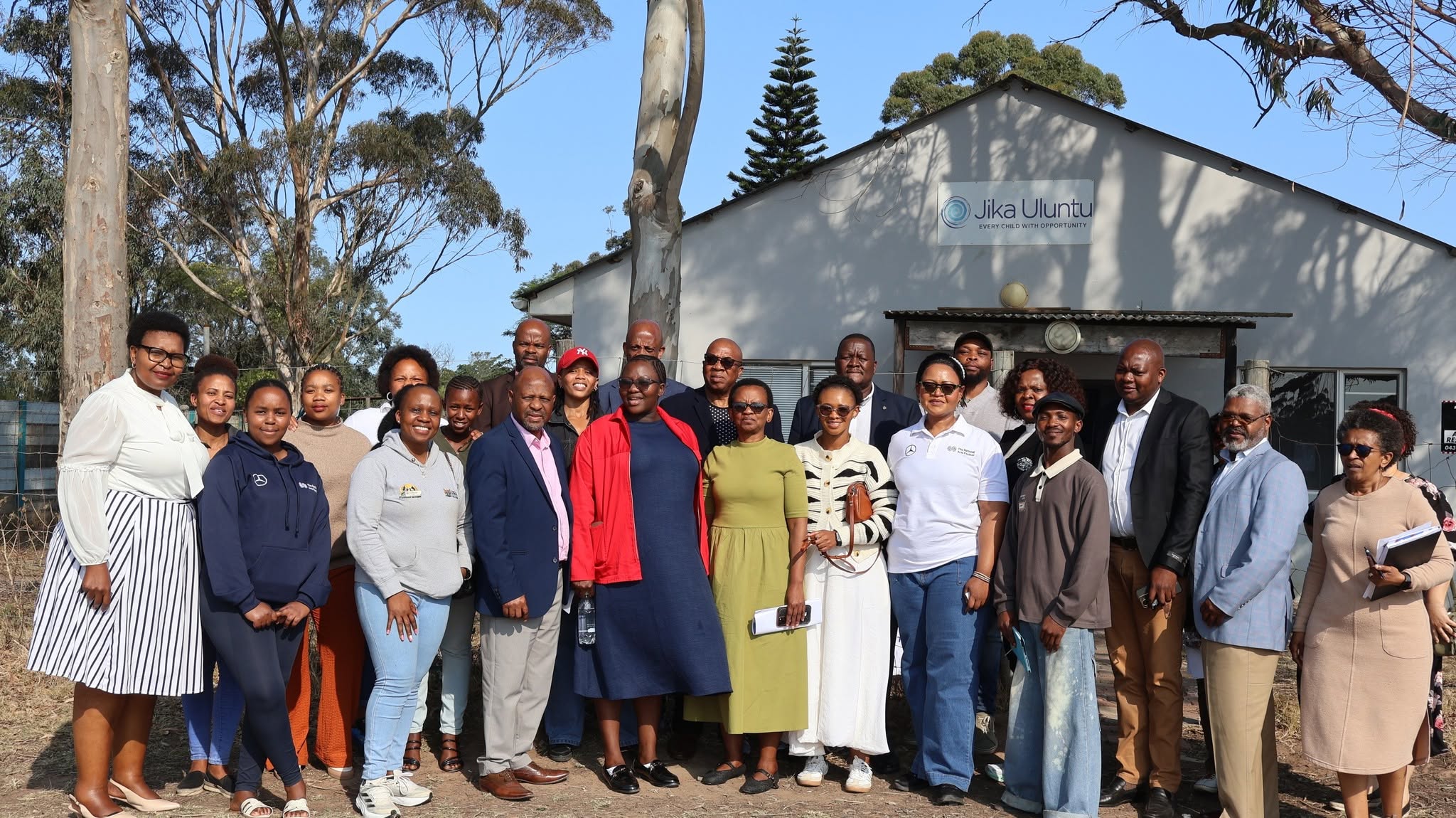
In one facilitator-development cohort, 26 unemployed young creatives received Voices of Ubuntu training, gaining practical, work-ready skills and a pathway toward paid opportunities within the creative and community-development sectors.
Participants were supported to develop safe and engaging group processes, reflect on their own experiences, reconnect with creativity and practise the discipline required to facilitate others.
This is an important example because it shows that skills development is not separate from your job-creation model. It strengthens the people who deliver community programmes while developing their own confidence, competence and earning potential.
Accreditation and Recognition Pathways
Jika Uluntu is developing formal accreditation and qualification pathways for Ubuntu Mentor Training and related occupational learning.
Until specific approvals are complete, each training proposal will state clearly whether the offer is:
Where accredited learning is offered, the relevant qualification, NQF level, provider and quality-assurance details will be published with the programme information.
What the training develops
The current programme profile describes the intended growth as local facilitation competence, ethical practice, peer support, employability, institutional capacity and a growing pool of community-embedded process workers.
How the training works
Build knowledge in Ubuntu philosophy, safeguarding, facilitation, emotional literacy, group process and arts-based practice.
Rehearse methods, facilitate activities and learn how to respond to different forms of participation and group dynamics.
Use the learning in a structured practice setting or supervised programme environment.
Receive feedback, participate in debriefing and use documentation and reflective assessment to strengthen practice.
Apply the learning within a school, organisation or community, or move toward additional programme-delivery and specialist facilitation pathways.
Training that leads into practice
Skills development is connected to Jika Uluntu’s wider employment model.
Where funded opportunities and programme need allow, trained participants can gain supervised experience and paid roles through EPWP projects, donor-funded delivery and commissioned Voices of Ubuntu programmes.