
04. Social Cohesion
Helping people understand difference and act together

Voices of Ubuntu creates structured, arts-based spaces where children, young people, teams, institutions and communities can bring difficult issues into the open, hear perspectives that are often missed and practise more constructive ways of responding together.
Through Forum Theatre, storytelling, movement, dialogue and digital media, we strengthen belonging, participation, trust and shared responsibility across differences in age, language, identity, role and lived experience.

What social cohesion means in practice
Social cohesion is not the absence of difference, tension or disagreement. It grows when people feel that they belong, can participate safely, are able to be heard and can work with others to address the challenges affecting their lives.
Our Methods
We use participatory methods that make difficult experiences visible without forcing individuals to disclose personal information.
In Forum Theatre, participants are not passive audience members. They examine a recognisable social challenge, identify whose voice or power is missing and test possible responses. The aim is not to import an answer, but to help the group identify assets, responsibilities and practical actions within its own context.
One Method. Many Applications.
The Embodied Pathways section currently says the approach can be adapted to different settings, but the page does not show visitors what that means in practice.
Designed for the people and the setting
We meet with the host organisation or client to understand the participants, the challenge, the local context and the intended purpose.
We select and adapt the most appropriate combination of story, theatre, movement, dialogue, digital media or reflective practice.
A trained facilitation team guides participants through a structured arts-based experience in which people can express, question, listen and test different responses.
The group identifies local assets, practical commitments, institutional responsibilities and useful next steps.
The challenge shapes the engagement. The community helps shape the response. The methodology holds the process.
What the work is designed to strengthen
Participants recognise one another’s dignity and develop a stronger sense that they have a place within the group, institution or community.
Voice and Participation
People gain accessible ways to express their perspectives and participate in decisions and conversations that affect them.
Empathy and Perspective
Participants encounter experiences and viewpoints different from their own and examine the assumptions they may carry.
Constructive Dialogue
Groups develop stronger ways of listening, communicating and engaging difficult issues without immediately withdrawing into silence or conflict.
Collective Problem-Solving
Participants move from observing a challenge toward testing responses and identifying practical action.
Shared Responsibility
Individuals, families, institutions and communities consider their respective roles in creating safer, more inclusive and responsive environments. This language connects human experience with policy concepts such as participation, inclusion, social accountability, community safety and institutional responsiveness.
Who can commission this work?
Participants recognise one another’s dignity and develop a stronger sense that they have a place within the group, institution or community.
No Child Stands Alone
Social Cohesion in Action
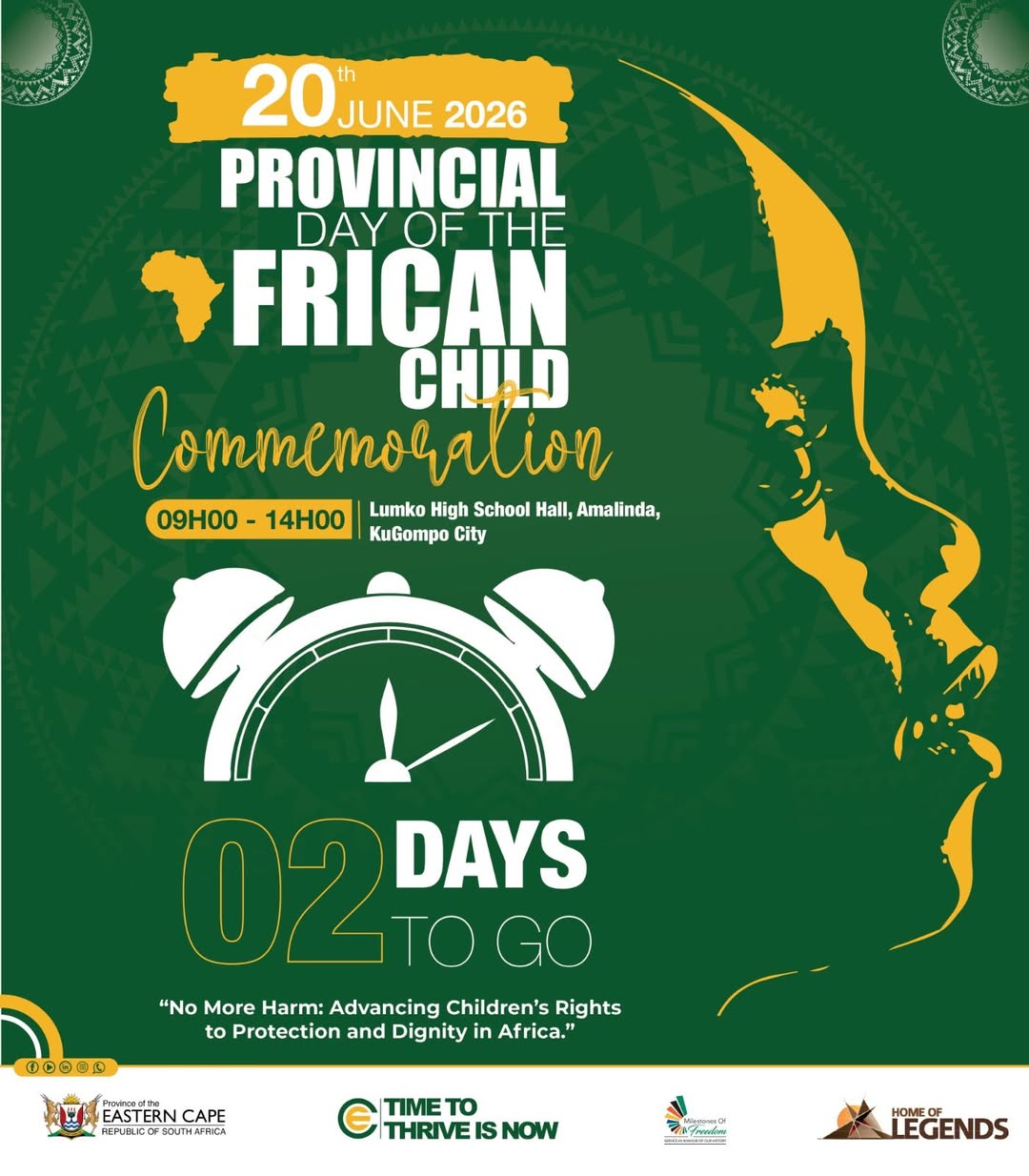
At the 2026 Eastern Cape Provincial Day of the African Child Commemoration, Voices of Ubuntu used Forum Theatre, facilitated dialogue and a Wall of Expression to explore exclusion, emotional harm, disability, language, dignity and the right of children to be heard.
The performance allowed children and other participants to examine how difference can become othering and how emotional harm may remain hidden within families and institutions.
More than 100 written and drawn responses were contributed to the Wall of Expression in a short period. Children reflected on belonging, love, trauma, disability inclusion, boys’ need for emotional support and the importance of being heard in a familiar language.
The intervention demonstrated how a child-rights commemoration could become a participatory social-cohesion and accountability process rather than remaining a programme of speeches and passive attendance.
Bring people into the conversation
Tell us about the issue you are addressing, who needs to participate and the setting in which you work.
We will help you identify an appropriate programme format and combination of Voices of Ubuntu methods.