Beyond-funding-why-npo-oversight-must-protect-every-beneficiary-jika-uluntu
A Portfolio Committee visit to Jika Uluntu raised a wider question for the social-development sector: should oversight be limited to organizations receiving government funding, or should every organization working with vulnerable people be subject to proportionate regulatory scrutiny?
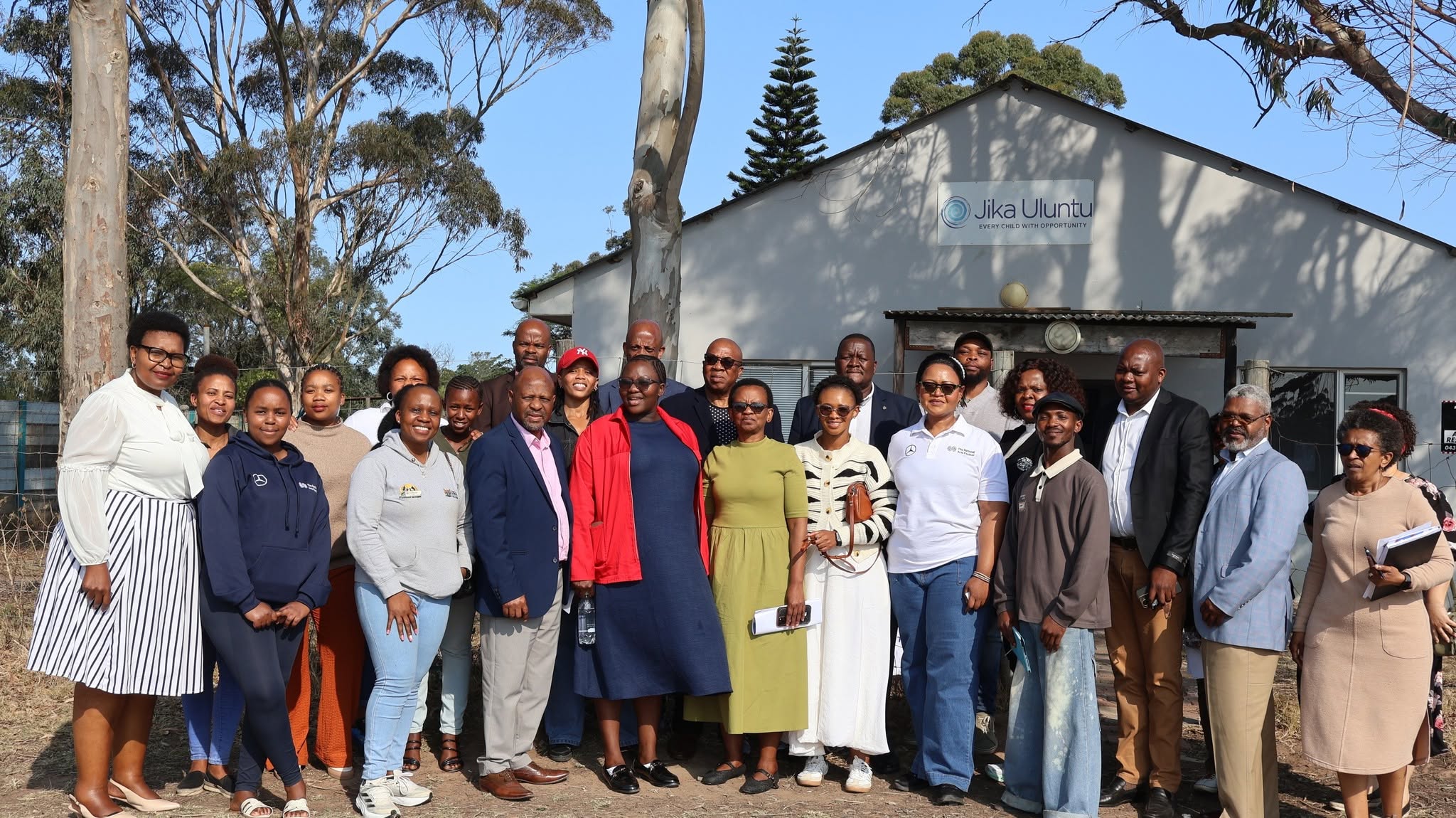
n 2025, the Eastern Cape Legislature’s Portfolio Committee on Social Development visited Jika Uluntu, accompanied by representatives of the Department of Social Development at district and provincial levels. The visit formed part of a broader oversight process focused on organizations funded through the Department. Jika Uluntu, however, does not receive funding from the Department of Social Development.
The inclusion of Jika Uluntu brought an important regulatory question into focus: who monitors organizations that deliver social services but are not funded by government?
At an earlier engagement, Jika Uluntu Director Ziyanda Xaso raised this concern directly. Government-funded organizations are generally reviewed because public money creates a clear line of contractual accountability. Yet many other organizations work with children, survivors of violence, people with disabilities, older persons and vulnerable families while relying on private donations, international funding, corporate support, community contributions or earned income.
The absence of government funding does not remove the duty to protect those participants.
Funding oversight and sector oversight are not the same
Funding oversight asks whether public money has been spent for its intended purpose, whether agreed services have been delivered and whether reporting requirements have been met.
Regulatory and quality oversight ask a broader set of questions:
Does the organization have functioning governance? Are children and vulnerable adults protected? Are staff and volunteers appropriately prepared? Are consent, confidentiality and personal information handled responsibly? Are complaints, disclosures and referrals managed safely? Does the organization work within clear professional boundaries?
Both forms of oversight are necessary.
South Africa’s current NPO framework requires registered organizations to submit annual narrative and financial reports within nine months after the end of their financial year. The Department of Social Development has emphasized that compliance is intended not only to improve transparency and accountability, but also to protect the beneficiary communities in which NPOs operate.
exploitation, inappropriate conduct, re-traumatization or a failure to respond when protection is needed.
Oversight should therefore be proportionate to the nature of the service, the vulnerability of participants and the level of safeguarding risk—not determined only by whether the Department funds the organization.
This does not mean every NPO requires the same form or frequency of inspection. It points instead towards a risk-based system in which organizations delivering higher-risk services receive appropriate review, guidance and monitoring regardless of their income source.
A child does not become less deserving of protection because the programme serving them is privately funded.
Welcoming scrutiny as part of accountability
Jika Uluntu welcomed the Portfolio Committee visit as an opportunity to present its work, governance, safeguarding systems and implementation experience. It is registered as an NPC, NPO and Public Benefit Organization. Its current governance framework includes board oversight, child-protection procedures, mandatory reporting and disclosure management, consent and confidentiality controls, lawful personal-information processing and policies intended to protect workplace dignity and organizational accountability. These responsibilities apply across both legs of Jika Uluntu’s model: funded community programmes and commissioned social-enterprise services.
As nonprofit organizations increasingly combine grants, sponsorship, paid services and social-enterprise income, regulatory systems must recognize that the source of revenue does not determine the level of duty owed to participants. A paid programme requires the same safeguarding discipline as a donor-funded one.
Regulation should also strengthen the sector
Oversight should not operate only as punishment after something has gone wrong.
A developmental regulatory approach can identify risks early, help organizations improve governance, clarify minimum safeguarding standards and connect smaller organizations to capacity-building support. It can also protect compliant organizations from being undermined by operators whose conduct damages public trust in the entire sector.
The Department of Social Development has itself stated that maintaining governance, transparency and accountability is necessary to protect the integrity and effectiveness of the NPO sector.
The Portfolio Committee’s visit to Jika Uluntu therefore represented more than an organisational review. It opened a necessary conversation about the reach of public accountability.
Oversight should not end where government funding ends.
Where an organisation holds access, influence or responsibility in the lives of vulnerable people, there must be a credible framework for ensuring that its work is safe, lawful, ethical and accountable.
Funding creates one reason for oversight. The protection of people creates the stronger one.